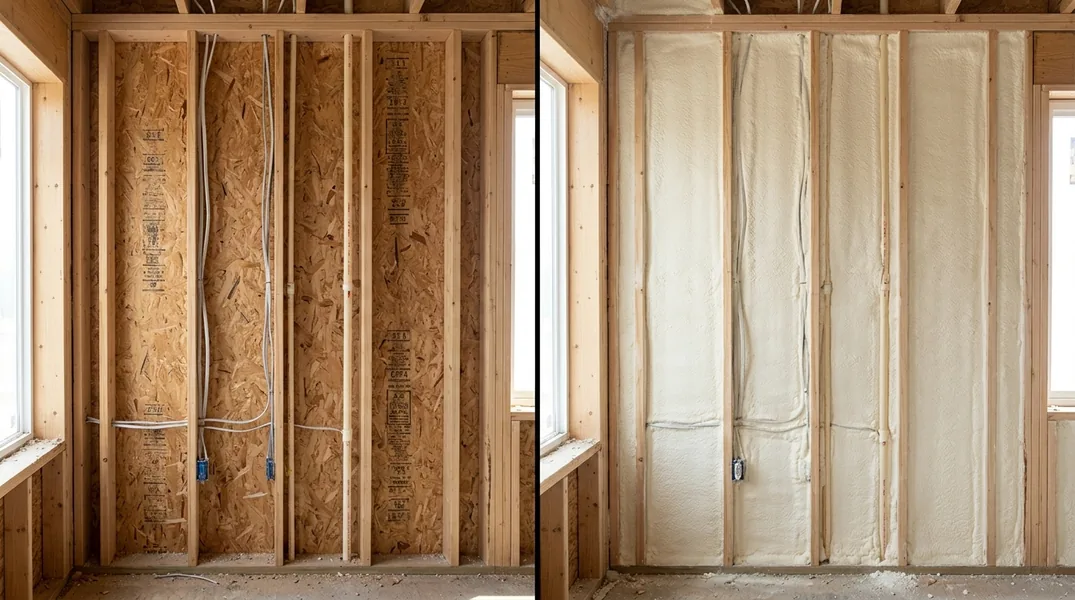
Understanding Spray Foam Insulation Types
When it comes to insulating your attic, attic spray foam insulation has become one of the most effective solutions for homeowners in Madison and surrounding areas. However, not all spray foam is created equal. The two primary types available are open cell and closed cell spray foam, and understanding the differences between them is essential before making a decision for your home.
Spray foam insulation works by expanding and hardening after application, creating a continuous barrier that seals air leaks and provides thermal resistance. The cell structure of the foam determines its performance characteristics, cost, and suitability for different applications. Open cell foam has a softer, more porous structure, while closed cell foam is denser and more rigid. Each type offers distinct advantages depending on your attic's specific needs and your budget.
Open Cell Spray Foam: Benefits and Drawbacks
Open Cell Spray Foam Insulation features a structure where the cells are not completely closed off from one another. This creates a softer, more flexible material that typically offers an R-value of approximately 3.5 to 3.6 per inch. The primary advantage of open cell foam is its lower cost compared to closed cell alternatives, making it an attractive option for budget-conscious homeowners looking to improve their attic's thermal performance.
Beyond affordability, open cell foam excels at sound dampening and air sealing. It conforms well to irregular surfaces and cavities, filling gaps that traditional insulation might miss. However, there are important considerations. Open cell foam is more permeable to moisture and air, which means it requires a proper vapor barrier in certain climates. For homeowners in Madison, where winters are cold and humidity levels can fluctuate significantly, this characteristic requires careful attention during installation to ensure your attic remains properly protected.
Another consideration is that open cell foam is less rigid than its closed cell counterpart, so it won't provide structural support to your attic framing. If you're looking for a solution that will help with both insulation and structural integrity, open cell may not be your best choice. The material is also more susceptible to air and moisture infiltration over time if not installed correctly.
Closed Cell Spray Foam: Superior Performance and Protection
Closed Cell Spray Foam Insulation offers a denser, more rigid structure where the cells are completely enclosed. This construction delivers superior R-values, typically ranging from 6 to 7 per inch, nearly double that of open cell foam. For homeowners seeking maximum thermal resistance and energy efficiency, closed cell foam represents a significant upgrade in performance.
The closed cell structure provides multiple advantages beyond insulation value. It acts as an effective moisture barrier, making it ideal for creating a sealed attic insulation system. This is particularly valuable in Wisconsin's climate, where moisture management is critical to preventing mold growth and wood rot. Closed cell foam also provides structural reinforcement to your attic framing, adding rigidity and strength to the space. Additionally, closed cell foam offers better air sealing properties and greater resistance to air and moisture infiltration, providing long-term durability and performance.
The primary trade-off with closed cell foam is cost. It typically runs 50 to 100 percent higher than open cell alternatives, which can impact your overall project budget. However, many homeowners find the investment worthwhile when considering the superior R-value, moisture protection, and durability. For those building or renovating in Madison, closed cell foam often provides better long-term value and peace of mind.
Unvented Attic Spray Foam: Creating a Conditioned Space
One of the most significant advantages of spray foam insulation is the ability to create an unvented attic spray foam system. Traditionally, attics are vented to allow air circulation and moisture escape. However, when you apply spray foam directly to the underside of your roof deck, you create a sealed, conditioned space that becomes part of your home's thermal envelope.
This approach offers several compelling benefits for Madison homeowners. By sealing the attic, you prevent conditioned air from escaping through the attic floor, dramatically improving energy efficiency and reducing heating and cooling costs. An unvented attic also eliminates the temperature extremes that occur in traditional vented attics, which can stress roofing materials and reduce their lifespan. Additionally, you gain usable space in your attic that can be used for storage or future expansion without worrying about insulation settling or moisture problems.
Creating an unvented attic requires proper installation and adherence to building codes. The spray foam must be applied at sufficient thickness to meet code requirements, and ventilation considerations must be addressed to ensure proper air quality. This is why working with experienced professionals who understand local building codes and climate-specific requirements is essential for success.
Attic Spray Foam Insulation Cost in Madison: What to Budget
Understanding the financial investment required for spray foam insulation is an important part of the decision-making process. The pricing for spray foam attic insulation varies based on several factors, including the type of foam selected, the size of your attic, existing insulation that needs removal, and the complexity of the installation.
Open cell spray foam typically costs between $1.00 and $1.50 per board foot, while closed cell foam ranges from $1.50 to $3.00 or more per board foot, depending on market conditions and specific project requirements. For a typical attic in Madison, this translates to a range that can vary significantly based on your specific situation. While closed cell foam costs more upfront, many homeowners recoup the investment through energy savings within seven to ten years, especially in Wisconsin's climate where heating costs are substantial.
To get an accurate understanding of what your project will cost, it's essential to have a professional assessment of your attic. Madison Spray Foam Insulation offers a free estimate so you can understand your options and pricing without obligation. Call us at (608) 292-6626 to schedule your consultation and receive detailed information about your project's specific costs and potential energy savings.
Choosing the Right Spray Foam for Your Madison Home
The decision between open cell and closed cell spray foam ultimately depends on your priorities, budget, and specific attic conditions. If energy efficiency and moisture protection are your top concerns, and you're willing to invest more upfront, closed cell foam is the superior choice. If you're working with a tighter budget and your attic conditions are less challenging, open cell foam can still provide significant benefits and energy savings.
Consider your home's age, current insulation status, moisture history, and long-term plans for the space. Homes with existing moisture problems or those in areas prone to humidity issues benefit greatly from closed cell foam's superior moisture barrier properties. Newer homes or those with well-maintained attics might find open cell foam adequate for their needs. Professional guidance is invaluable in making this determination, as experienced installers understand the specific challenges that Madison homes face and can recommend the best solution for your situation.
Madison Spray Foam Insulation has served homeowners throughout the area with professional, high-quality attic spray foam insulation services. Our team understands the unique climate challenges of Wisconsin and can help you select the right foam type for your home's needs. Whether you're interested in learning more about open cell versus closed cell options, or you're ready to move forward with a project, we're here to help. Contact us at (608) 292-6626 or visit our website to discuss your attic insulation needs today.
Looking for a professional spray foam insulation contractor in Madison? Madison Spray Foam Insulation responds fast for all your spray foam insulation needs.
Get a Free Quote